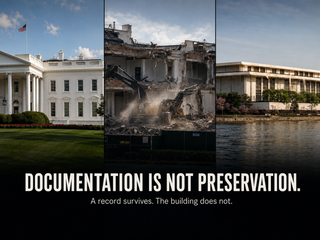
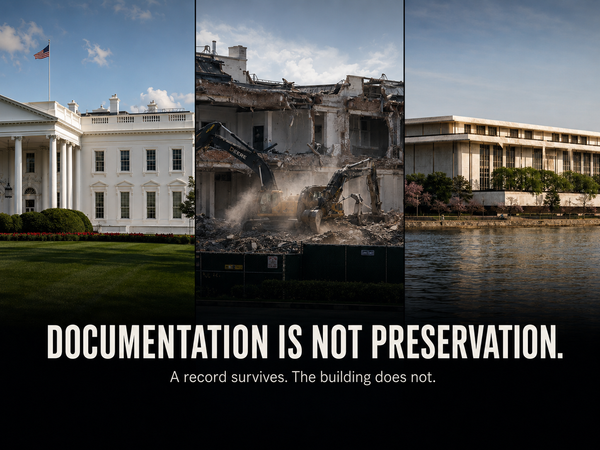
The United States enters its 250th year with a historical inheritance far younger than those of the world's older civilizations. Two and a half centuries may seem substantial in a nation's life, yet it is remarkably short compared with the histories of Rome, Greece, China, Britain,
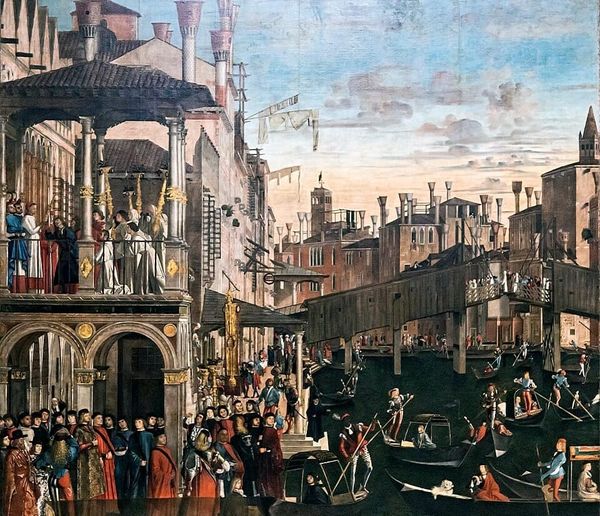
Before dawn, Venice belongs briefly to the people who work on the water.
The delivery boats come first. Engines grumble under bridges. Men throw boxes onto wet fondamenta. Somewhere a vaporetto pushes a pale wake against stone steps green with weed. And then, improbably, a gondola appears.
It makes almost
The Voting Booth Is Where the Party Machine Should Stop
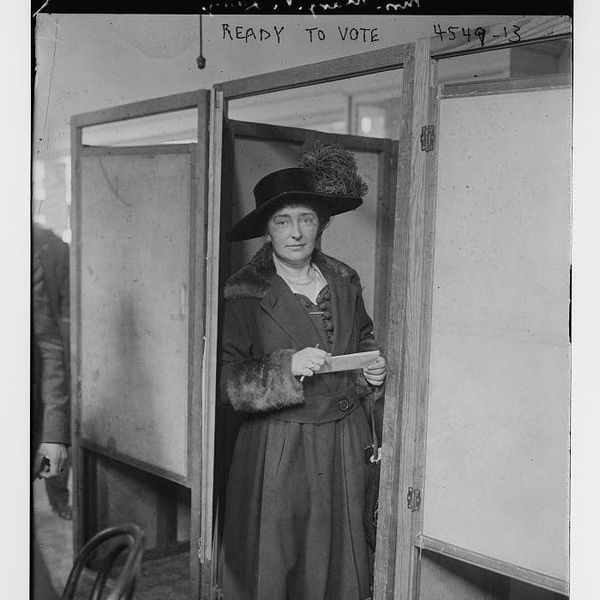
As the November elections approach, I would ask every American citizen to take seriously the responsibility that comes with the ballot. Study the people whose names appear before you. Listen to what they say. Look at what they have done.
The Voting Booth Is Where the Party Machine Should Stop
As the November elections approach, I would ask every American citizen to take seriously the responsibility that comes with the ballot. Study the people whose names appear before you. Listen to what they say. Look at what they have done.
The United States enters its 250th year with a historical inheritance far younger than those of the world's older civilizations. Two and a half centuries may seem substantial in a nation's life, yet it is remarkably short compared with the histories of Rome, Greece, China, Britain,
Before dawn, Venice belongs briefly to the people who work on the water.
The delivery boats come first. Engines grumble under bridges. Men throw boxes onto wet fondamenta. Somewhere a vaporetto pushes a pale wake against stone steps green with weed. And then, improbably, a gondola appears.
It makes almost
Chapter Five
Ian Fleming gives away the title of Live and Let Die surprisingly early. James Bond has arrived in New York to investigate Mr Big, a powerful criminal leader whom M identifies as a Soviet agent and a known member of SMERSH.[1] Bond wants to go into Harlem
Chapter Four
Near the end of Casino Royale, after Le Chiffre is dead and Bond has survived his torture, James Bond and René Mathis begin an extraordinary conversation about the nature of evil. In the previous chapter, I followed that conversation outward through Fleming's later novels, asking how
Chapter Three
Among Ian Fleming’s fourteen James Bond books, only once does he appear to suspend the narrative long enough to ask directly what evil is. The conversation between James Bond and René Mathis near the end of Casino Royale is unlike anything else in the Bond canon.[1]
By the time Bill Mundell and I traveled together to the Taihu World Cultural Forum in China in 2012, we had already become friends and colleagues. The forum, an international gathering of leaders from government, academia, business, and the cultural sector, gave us an opportunity to continue our conversations about
Chapter Two
James Bond's missions rarely begin with James Bond. They begin in the offices of the Secret Service. Before Bond ever enters M's office, someone has already identified a threat. Intelligence has been collected, reports assembled, priorities weighed, and decisions made. By the time Bond