Chapter Three
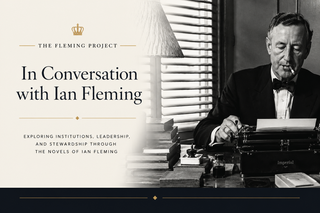
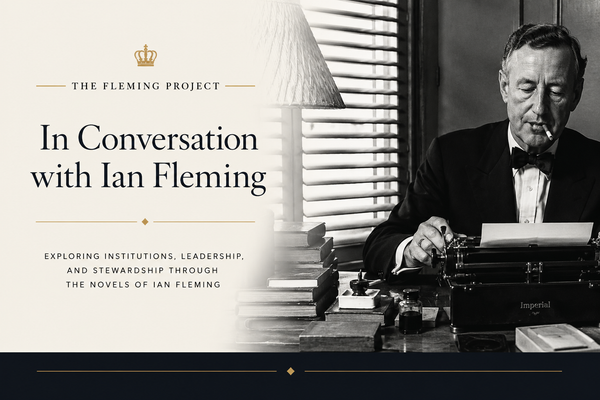
Among Ian Fleming’s fourteen James Bond books, only once does he appear to suspend the narrative long enough to ask directly what evil is. The conversation between James Bond and René Mathis near the end of Casino Royale is unlike anything else in the Bond canon.[1]
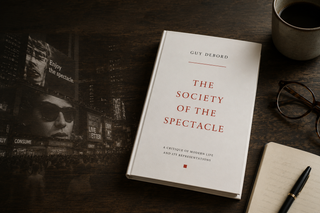
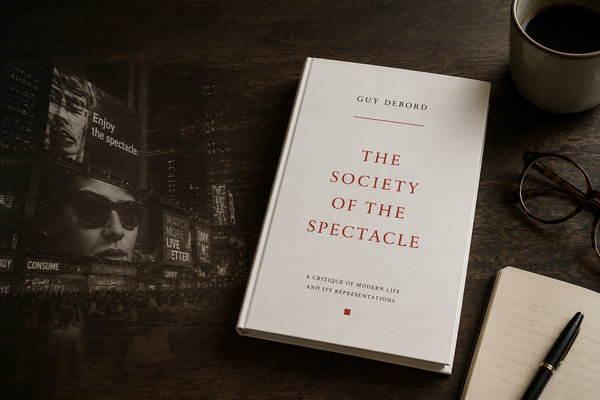
I had not known of Guy Debord until last Saturday. While wandering through a weekend market in Nashville, I noticed a copy of The Society of the Spectacle lying among a collection of socially oriented books. The title alone was sufficient to arrest my attention. I bought it with no
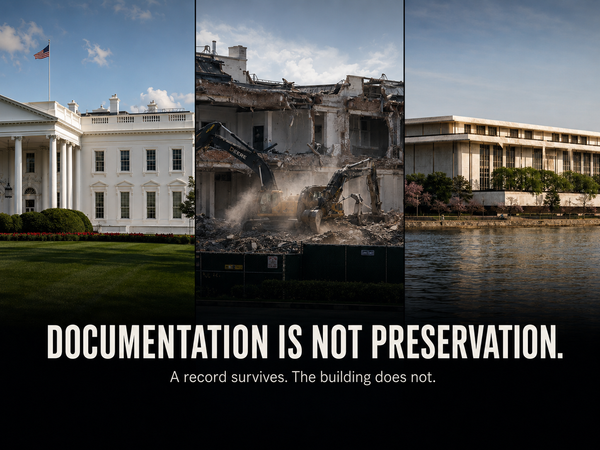
The United States enters its 250th year with a historical inheritance far younger than those of the world's older civilizations. Two and a half centuries may seem substantial in a nation's life, yet it is remarkably short compared with the histories of Rome, Greece, China, Britain,
The United States enters its 250th year with a historical inheritance far younger than those of the world's older civilizations. Two and a half centuries may seem substantial in a nation's life, yet it is remarkably short compared with the histories of Rome, Greece, China, Britain,
Chapter Three
Among Ian Fleming’s fourteen James Bond books, only once does he appear to suspend the narrative long enough to ask directly what evil is. The conversation between James Bond and René Mathis near the end of Casino Royale is unlike anything else in the Bond canon.[1]
I had not known of Guy Debord until last Saturday. While wandering through a weekend market in Nashville, I noticed a copy of The Society of the Spectacle lying among a collection of socially oriented books. The title alone was sufficient to arrest my attention. I bought it with no
Author’s Note: The following essay is drawn from a forthcoming book manuscript currently in development. It is an excerpt from a larger chapter and is presented here in a provisional, condensed form. The work reflects more than thirty years of study of the Hebrew Scriptures as translated into the
Author’s Note: The following essay is drawn from a forthcoming book manuscript currently in development. It is an excerpt from a larger chapter and is presented here in a provisional, condensed form. The work reflects more than thirty years of study of the Hebrew Scriptures as translated into the
An unexpected centre
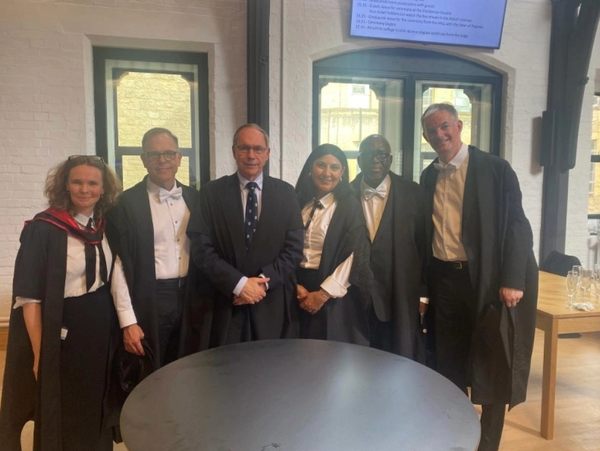
When I arrived at Oxford to begin the MSc Global Healthcare Leadership, I anticipated a world of thought shaped by rigour, breadth, and the weight of long tradition. What I did not foresee, though I came to treasure it, was the presence of something more intimate and
Cambridge and the Habit of Inquiry
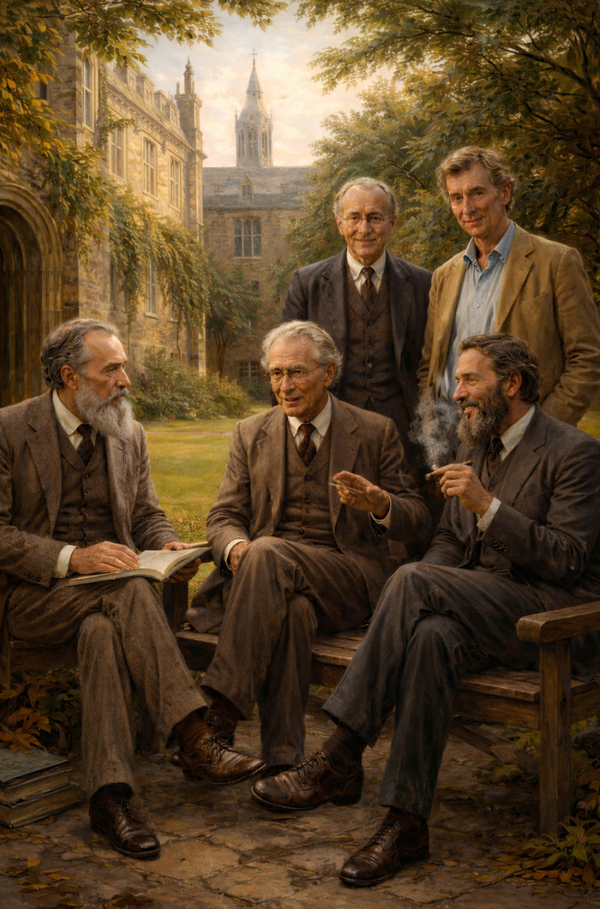
There are certain places where thought seems to linger in the air, as if ideas themselves possessed a kind of afterlife. The courts and passageways of the University of Cambridge are among them. Stone and silence, worn steps and narrow cloisters do not merely
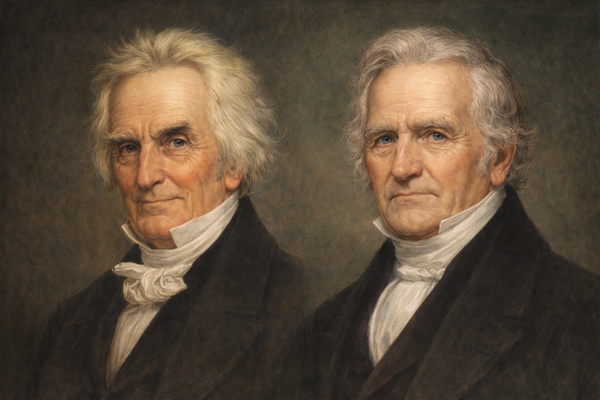
Author's Note: As I revisited Campbell's writings, one feature became increasingly difficult to ignore. Beneath the debates over doctrine and church reform lies a sustained concern with authority, interpretation, and knowledge itself. Campbell was asking how ordinary people could read, understand, and act upon what they