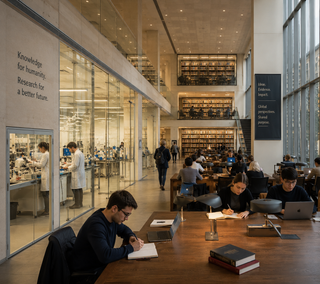
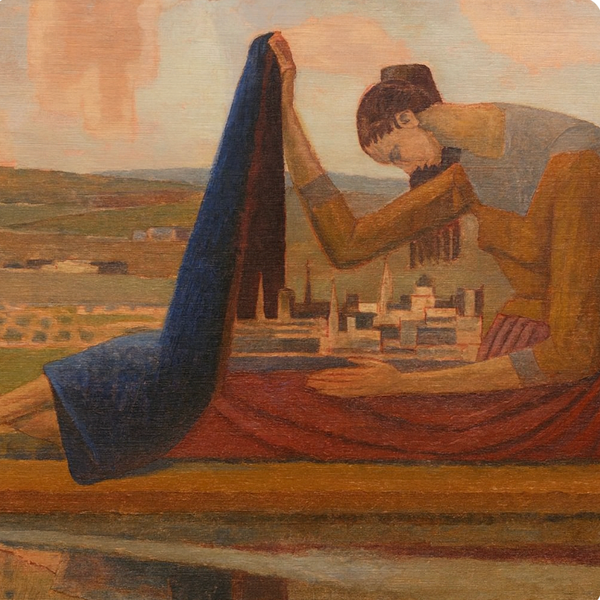
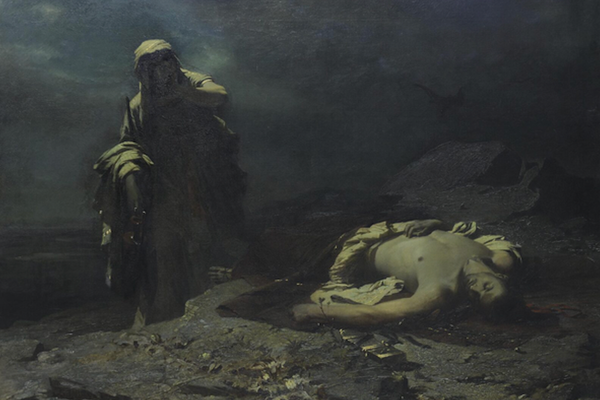
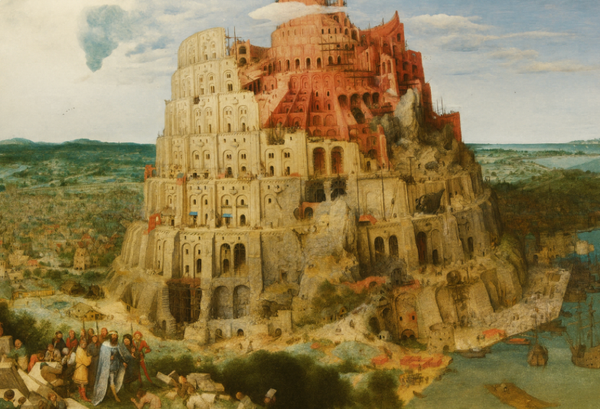
To live the life of the mind is to navigate the deep currents of thought and the restless tides of the world with the scholar’s precision and the poet’s eye. Here, the arc of a life bends toward the True, the Good, and the Beautiful, and the work
The keynote address for incoming doctoral students at Freed-Hardeman University, titled On Being Scholarly, was delivered by Dr. Shawn D. Mathis, PhD, on May 13, 2018, in Henderson, TN.
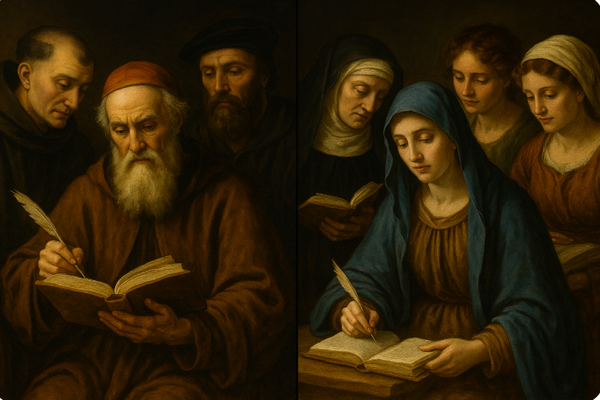
You are a scholar; these are your fellows.
Individually, you are scholars. A scholar is one given to serious academic inquiry.
The reign of Pope Boniface VIII is a tapestry of papal agendas fashioned for the creation of empire under the guise of the Holy Roman Church. His papacy materializes as kingship rather than pure Apostolic See. The papacy is a relic of the spiritual body. Empire is the incarnation of
Reflective Commentary (2025)
This essay undertakes a critical examination of infallible, divine revelation in Christianity, focusing on the dynamic interplay between Scripture, Tradition, and ex cathedra authority as understood within both Catholic and Protestant traditions. One of its main strengths lies in its expansive historical grounding, tracing the development of
Reflective Commentary (2025)
This brief essay, composed in 2015, records my first serious engagement with the post-structuralist theories of Michel Foucault and Jacques Derrida. At that time, my priority was to précis their arguments and to register my own tentative responses as a doctoral student. On re-reading, I recognise the
Reflective Commentary (2025)
This essay marks a foundational moment in my scholarly engagement with Immanuel Kant’s philosophy of art and aesthetics. The primary aim was to unravel Kant’s conceptual framework concerning fine art. Attention centred on his elevation of poetry and the notion of the imaginative genius. The
Reflective Commentary (2025)
The brief essay ‘Classic Philology: A Definition’ was composed in 2014 during my doctoral programme, as part of the course Introduction to Humane Letters. Now, a decade later, I return to the text for the first time since its drafting. In this review, my primary concern has
Reflective Commentary (2025)
The following essay was written in 2014 for one of my earliest doctoral courses at Faulkner University. Dr. Robert Woods led the course titled “Introduction to Human Letters."
An Evaluative Inquiry into the Life of the Modern Liberal Individual
Leisure and festivity together form the foundation
To live the life of the mind is to navigate the deep currents of thought and the restless tides of the world with the scholar’s precision and the poet’s eye. Here, the arc of a life bends toward the True, the Good, and the Beautiful, and the work
Author’s Note: This article forms part of an ongoing reading of Immanuel Kant’s Groundwork of the Metaphysics of Morals, considered in relation to questions of institutional life, leadership, and governance. These reflections inform a broader body of work at the intersection of philosophical foundations and practical institutional responsibility.

Author’s Note: This article forms part of an ongoing reading of Immanuel Kant’s philosophical corpus, exploring its relevance for organizational leadership and institutional governance.
There is a particular kind of setting in which serious thought becomes possible—not in isolation alone, but in environments where distraction recedes just
The reign of Pope Boniface VIII is a tapestry of papal agendas fashioned for the creation of empire under the guise of the Holy Roman Church. His papacy materializes as kingship rather than pure Apostolic See. The papacy is a relic of the spiritual body. Empire is the incarnation of
Reflective Commentary (2025)
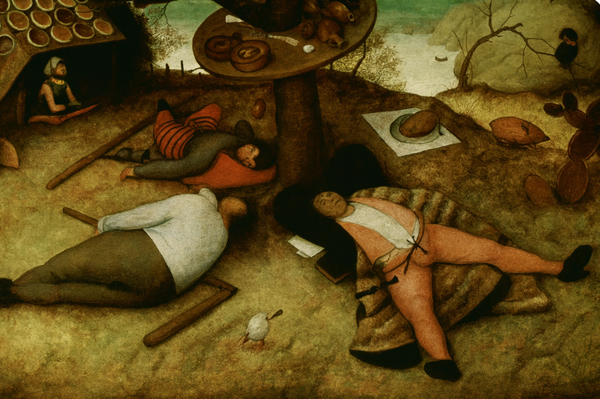
Looking back at this essay more than a decade after I first wrote it in 2014, I see how my thinking about "wasted time" has changed. When I wrote this as a doctoral student, leisure, contemplation, and intellectual growth were seen as important. Now, the
To live the life of the mind is to navigate the deep currents of thought and the restless tides of the world with the scholar’s precision and the poet’s eye. Here, the arc of a life bends toward the True, the Good, and the Beautiful, and the work

The keynote address for incoming doctoral students at Freed-Hardeman University, titled On Being Scholarly, was delivered by Dr. Shawn D. Mathis, PhD, on May 13, 2018, in Henderson, TN.
You are a scholar; these are your fellows.
Individually, you are scholars. A scholar is one given to serious academic inquiry.
The reign of Pope Boniface VIII is a tapestry of papal agendas fashioned for the creation of empire under the guise of the Holy Roman Church. His papacy materializes as kingship rather than pure Apostolic See. The papacy is a relic of the spiritual body. Empire is the incarnation of
Reflective Commentary (2025)
This essay undertakes a critical examination of infallible, divine revelation in Christianity, focusing on the dynamic interplay between Scripture, Tradition, and ex cathedra authority as understood within both Catholic and Protestant traditions. One of its main strengths lies in its expansive historical grounding, tracing the development of
Reflective Commentary (2025)
This brief essay, composed in 2015, records my first serious engagement with the post-structuralist theories of Michel Foucault and Jacques Derrida. At that time, my priority was to précis their arguments and to register my own tentative responses as a doctoral student. On re-reading, I recognise the
Reflective Commentary (2025)
This essay marks a foundational moment in my scholarly engagement with Immanuel Kant’s philosophy of art and aesthetics. The primary aim was to unravel Kant’s conceptual framework concerning fine art. Attention centred on his elevation of poetry and the notion of the imaginative genius. The
Reflective Commentary (2025)
The brief essay ‘Classic Philology: A Definition’ was composed in 2014 during my doctoral programme, as part of the course Introduction to Humane Letters. Now, a decade later, I return to the text for the first time since its drafting. In this review, my primary concern has
Reflective Commentary (2025)
The following essay was written in 2014 for one of my earliest doctoral courses at Faulkner University. Dr. Robert Woods led the course titled “Introduction to Human Letters."
An Evaluative Inquiry into the Life of the Modern Liberal Individual
Leisure and festivity together form the foundation