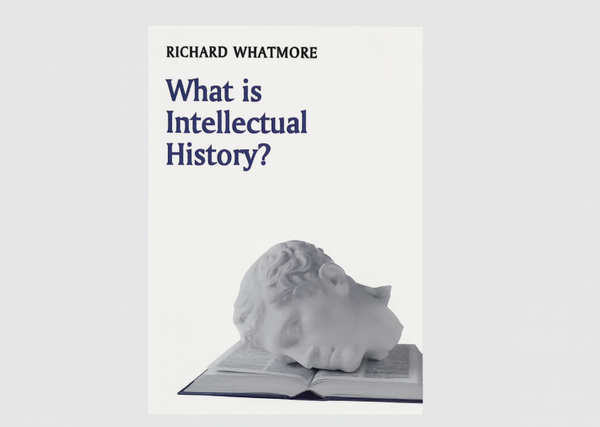
This review examines Richard Whatmore’s contribution to the field of intellectual history, a work of notable clarity and ambition.. The review was published in the Journal of Faith and the Academy 9, no. 2 (Fall 2016): 93-95.
Book Review
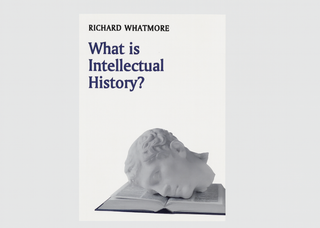
Whatmore, Richard. What is Intellectual History? Cambridge, UK: Polity
What follows is a book review I wrote shortly after completion of doctoral work which was published in the Journal of Faith and the Academy 10, no. 2 (Fall 2017): 104.
Book Review
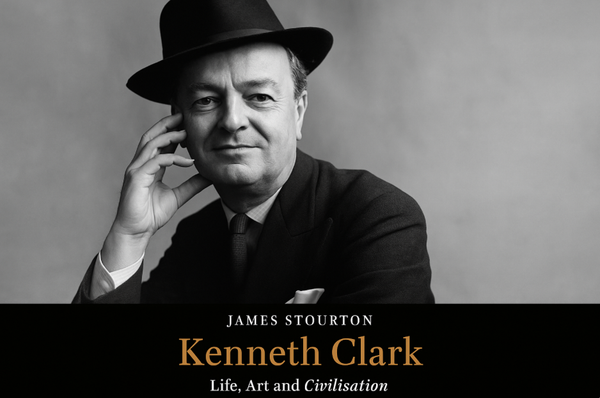
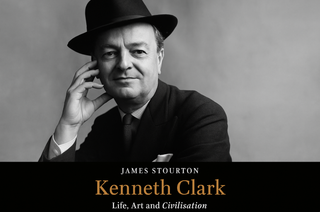
Kenneth Clark: Life, Art, and Civilisation. James Stourton. New York: Knopf, 2016. xvii + 478 pp. $35.00.
Did the God of the Holy Bible endow Pope Leo with papal infallibility, or did God grant Christian liberty to Luther’s constituents to stand against what they perceived as doctrinal and moral issues of the Church? The inherent difficulty with the question is that the two perspectives are mutually
Did the God of the Holy Bible endow Pope Leo with papal infallibility, or did God grant Christian liberty to Luther’s constituents to stand against what they perceived as doctrinal and moral issues of the Church? The inherent difficulty with the question is that the two perspectives are mutually
This review examines Richard Whatmore’s contribution to the field of intellectual history, a work of notable clarity and ambition.. The review was published in the Journal of Faith and the Academy 9, no. 2 (Fall 2016): 93-95.
Book Review
Whatmore, Richard. What is Intellectual History? Cambridge, UK: Polity
What follows is a book review I wrote shortly after completion of doctoral work which was published in the Journal of Faith and the Academy 10, no. 2 (Fall 2017): 104.
Book Review
Kenneth Clark: Life, Art, and Civilisation. James Stourton. New York: Knopf, 2016. xvii + 478 pp. $35.00.
What follows is a book review I wrote during doctoral work on Leonardo Bruni. Professor Ianziti has written an insightful, critical work of scholarly import. That review was later published in the Journal of Faith and the Academy 8, no. 2 (Fall 2015): 97–101.
Book Review
Gary Ianziti. Writing
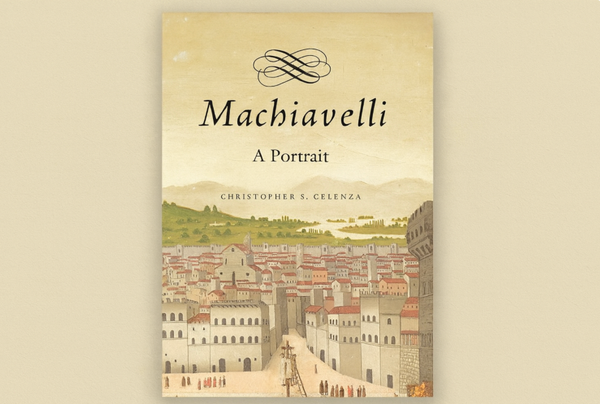
While in Italy, with Professor Celenza’s study of Machiavelli as my companion, I journeyed to the modest villa where the Florentine thinker endured his exile. In a dim room, I stood before his desk. Its grain was worn smooth by years of restless hands and restless thought. This was
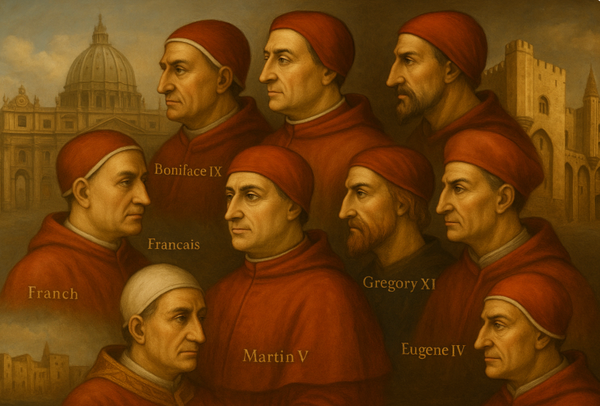
Leonardo Bruni’s career unfolded within a century of intense papal change that shaped the politics, patronage, and civic culture of Italy. The two figures below place Bruni’s life against that institutional background. Figure 1 presents a complete sequence of papal reigns from Urban V to Eugene IV, tagging
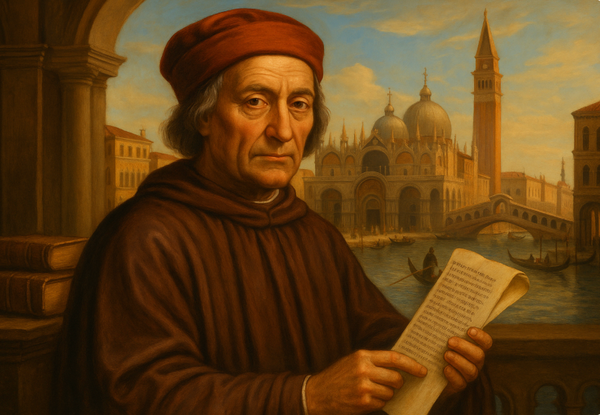
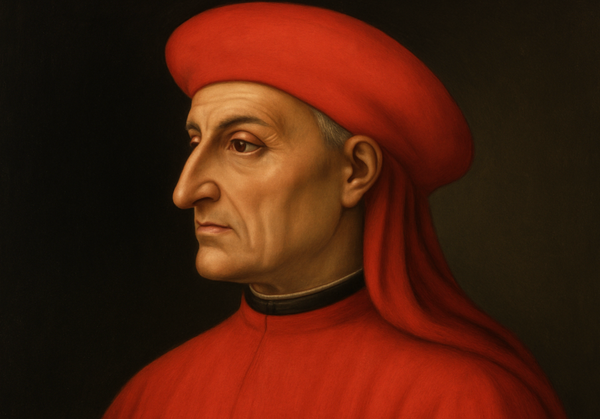
Leonardo Bruni's "History of the Florentine People" is the story of republican glory. The History is a tome of nostalgia written by an aged man whose life was wholly given to the development of his beloved Florence. His narrative was an attempt to promote the future
Bruni, author of the History of the Florentine People, wrote of the greatness of the citizens and the magnificence of the city of Florence. Bruni was a man of letters and a historian who dwelled among the great classics written by ancient authors. Authors such as Plato, Aristotle, Cicero and


![The Hermeneutics of Authority: Luther, Leo, and the Contest over Christian Liberty in the Reformation[1]](https://storage.ghost.io/c/3e/0d/3e0d1119-db6f-4e04-befd-22fbc687cefe/content/images/size/w600/2025/08/Screenshot-2025-08-18-at-10.23.54---AM.png)